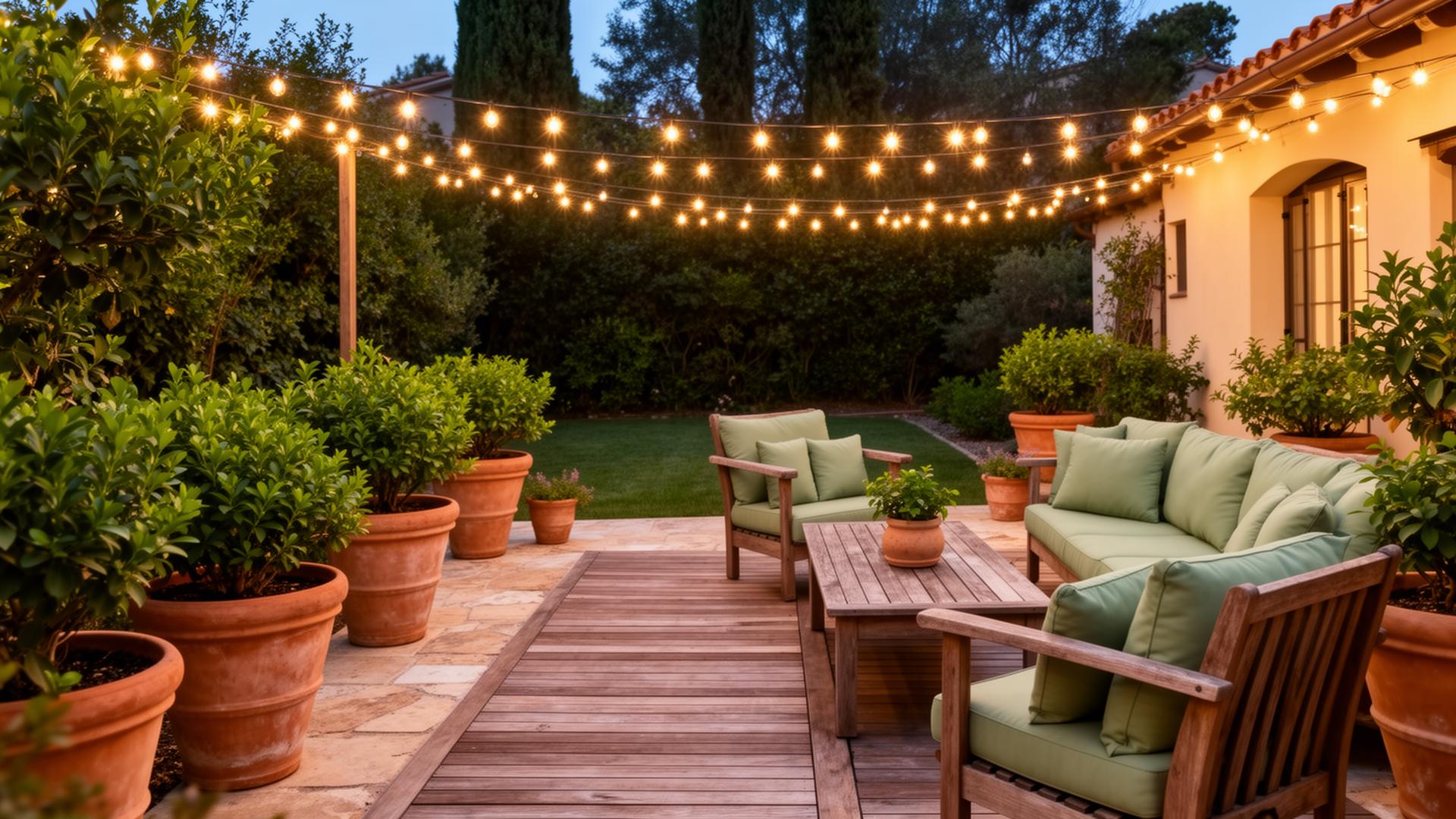
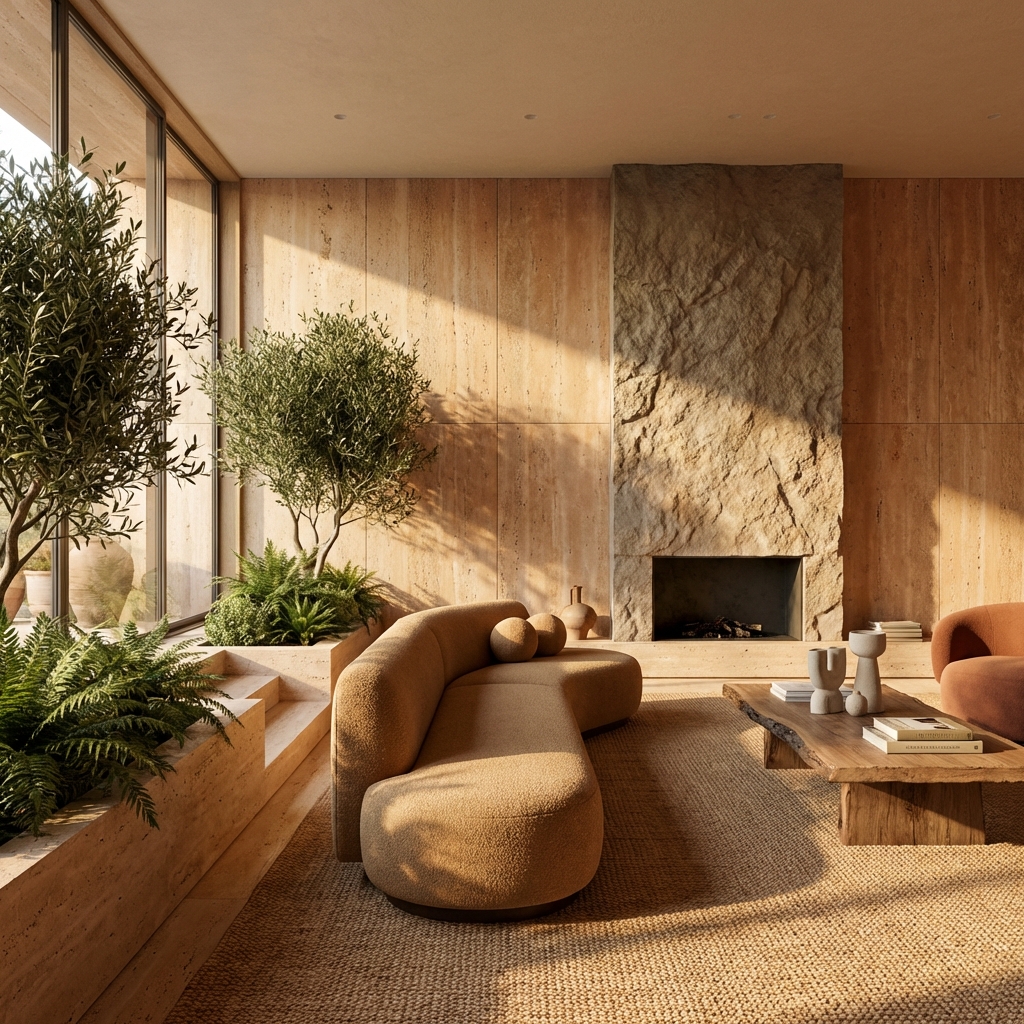
Interior design in 2026 is moving beyond surface-level aesthetics. Homeowners and designers alike are prioritizing materials that feel authentic, age gracefully, and support long-term living. Instead of chasing short-lived finishes, the focus is shifting toward natural materials that bring warmth, durability, and a sense of balance into modern homes. This evolution reflects a broader lifestyle change. As homes increasingly function as living, working, and wellness spaces, material choices are expected to deliver more than visual appeal. Natural textures, mineral-rich surfaces, and organic finishes are becoming central to contemporary interior design trends.
1. The 2026 Shift Toward Nature-Inspired Living
One of the defining interior design trends of 2026 is the rise of nature-inspired spaces. This approach is closely tied to biophilic design, where interiors are created to reconnect people with natural elements. Designers are incorporating:
- Earth-toned color palettes
- Organic textures and tactile surfaces
- Materials that reflect natural origins
This shift is not only aesthetic but also psychological. Natural materials help create calming environments, reduce visual noise, and support overall well-being—qualities that modern homeowners increasingly value.
2. Why Natural Materials Outperform Synthetic Alternatives
While synthetic materials once dominated modern interiors due to cost and convenience, 2026 tells a different story. Natural materials are now preferred for their performance, sustainability, and timeless appeal. Key advantages include:
- Longevity: Natural surfaces age better and maintain character over time.
- Sustainability: Many natural materials have a lower environmental impact when sourced responsibly.
- Design flexibility: Organic textures work seamlessly across minimalist, contemporary, and transitional interiors.
Rather than appearing trendy for a single season, natural materials support long-term design strategies—making them a smarter investment for modern homes.
3. 2026 Interior Design Trends at a Glance
To help visualize the key trends shaping interiors in 2026, here’s a quick overview of the main movements, their features, typical applications, and the materials driving them:
| 2026 Trend | Key Features | Typical Applications | Material Focus |
|---|---|---|---|
| Biophilic Design | Nature-inspired colors, greenery, and natural light | Living rooms, bedrooms, and indoor gardens | Wood, plants, natural fibers |
| Sustainable Materials | Eco-friendly, recycled, low-emission | All areas of the home | Bamboo, reclaimed wood, and low-emission paints |
| Textured & Tactile Surfaces | Stone and mineral textures, matte finishes, layered textures | Walls, countertops, and feature surfaces | Mineral surfaces, stone, textured plaster |
| Seamless & Large-Format Surfaces | Minimal grout lines, continuous flows, open layouts | Kitchens, bathrooms, accent walls | Mineral-based panels, large-format tiles |
| Functional & Wellness-Focused Spaces | Moisture-resistant, durable, flexible layouts | Multi-purpose rooms, bathrooms, and kitchens | Mineral surfaces, natural composites, sustainable finishes |
This table provides a snapshot of the trends and naturally sets the stage for designers to consider mineral-based surfaces as part of modern interior applications.
4. Natural Surface Trends Defining Interiors in 2026
A major trend in 2026 interiors is the use of natural surfaces to create continuity and subtle elegance. Instead of relying on bold patterns or decorative embellishments, designers are opting for finishes that feel authentic, tactile, and timeless. Key trends include:
- Seamless surfaces that enhance flow in living spaces
- Matte, stone-inspired finishes for walls and countertops
- Large-format, low-grout mineral surfaces
- Mineral textures replacing glossy ceramics in kitchens, bathrooms, and feature walls
In 2026, designers are increasingly using mineral-based tiles and other natural surfaces to create continuity and texture in interiors. These materials provide durability and subtle visual interest, enhancing kitchens, bathrooms, and feature walls without overwhelming the overall design. Platforms like mineraltiles.com showcase how such surfaces can be seamlessly incorporated into modern spaces. This approach creates interiors that feel layered and sophisticated while maintaining the clean, minimalist lines that define contemporary design.
5. How Designers Use Texture to Add Depth Without Clutter
Texture is playing a more strategic role in 2026 interiors. Rather than relying on bold patterns or heavy ornamentation, designers are using natural textures to add visual interest in a controlled, minimal way. Common applications include:
- Textured wall surfaces in living areas
- Subtle material contrasts in kitchens
- Moisture-resistant natural finishes in bathrooms
These layered textures create depth and personality, ensuring spaces remain visually engaging without becoming cluttered.
6. What Homeowners Should Prioritize in 2026 Renovations
For homeowners planning renovations in 2026, material selection should be a top priority. Design decisions are increasingly driven by long-term value rather than short-term trends. Key considerations include:
- Choosing materials that offer durability and low maintenance
- Prioritizing sustainable interior materials
- Focusing on finishes that complement multiple design styles
By investing in natural materials and thoughtfully integrated mineral surfaces, homeowners can create interiors that remain relevant, functional, and visually appealing for years to come.
Conclusion
The dominance of natural materials in 2026 interior design reflects a deeper shift in how people experience their homes. Rather than chasing fast trends, modern interiors are embracing authenticity, longevity, and material integrity. As natural surfaces, mineral-rich materials, and organic textures continue to shape modern homes, design is becoming less about decoration and more about creating meaningful, lasting spaces that support everyday life.